3 Best Wired Lightning Earbuds
Wired Lightning earbuds are becoming a rare species, mostly because audio manufacturers eagerly push wireless alternatives. Still, some users prefer the guaranteed stability of a cable—no latency, no battery concerns, no connection drops. The models below are the few that remain genuinely worth considering, even if nothing here is groundbreaking.
Apple EarPods
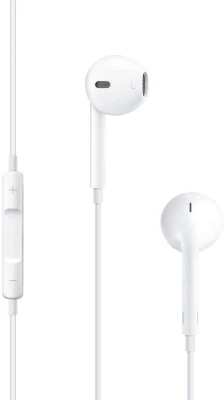
Apple’s EarPods are far from audiophile material, but they remain the most reliable Lightning earbuds overall. The fit is lightweight and familiar, and the microphone performs surprisingly well for calls. Sound is clean but absolutely not bass-heavy; these are built for clarity rather than power. Despite being old-school, they work consistently with iPhones without any compatibility drama.
Pros
Cons
Belkin SoundForm Headphones
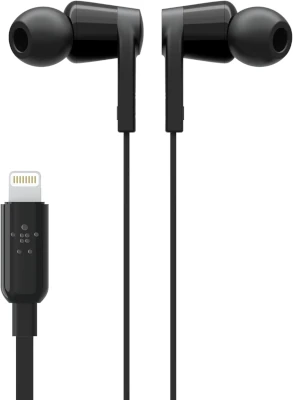
Belkin attempts to offer a slightly more modern take on Lightning earbuds. The build feels sturdier than Apple’s version, and the design creates better passive noise isolation. Sound has more low-end presence, though it still won’t impress hardcore bass fans. Overall, these strike a balance between price, performance, and durability—without pretending to be high-end.
Pros
Cons
Skullcandy Ink’d
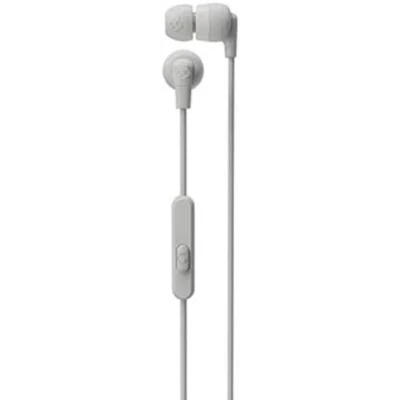
Skullcandy’s Set Lightning model leans heavily into consumer-friendly tuning—stronger bass, warmer mids, and a generally more energetic sound. These earbuds offer the most lively audio of the three, though the build quality isn’t exactly premium. Still, they come with sweat resistance, making them usable for light workouts, which is more than can be said for most Lightning-wired options.
Pros
Cons
FAQs
Yes, as long as the iPhone still includes a Lightning port. Models that use USB-C will require a different connector.
They’re more stable and require no charging, but wireless earbuds usually offer better overall features and sound.
Only with iPads that still include a Lightning port. Newer models typically use USB-C instead.
Yes, all three models above include an in-line mic suitable for regular call quality.
Not really—manufacturers are phasing them out, which is why the selection is limited.