4 Best Waterproof Earbuds for Swimming
Choosing earbuds for swimming is trickier than finding a regular waterproof pair. Many “water-resistant” models fail once submerged because they’re only meant for sweat or rain. True underwater options need higher IP ratings, specialized sealing, or bone-conduction technology that avoids speaker damage. Even then, comfort and stability matter, as you don’t want earbuds drifting off mid-lap. Some swimmers prefer MP3-enabled models to avoid Bluetooth dropouts underwater, while others prioritize versatility for both pool sessions and land workouts. Below are the models that hold up better than most and avoid the usual disappointments.
Nank Runner Diver2 Pro
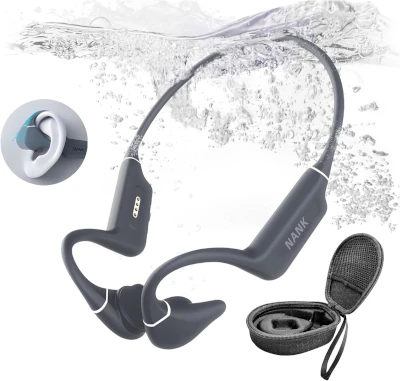
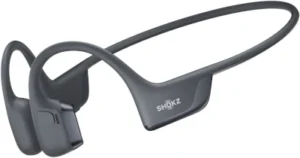
The Diver2 Pro uses bone-conduction tech to bypass issues that plague traditional earbuds underwater. Its IP69 rating, one of the highest available, makes it well-suited for fully submerged use. Built-in storage also lets you play music without relying on Bluetooth.
Pros
Cons
H2O Audio Tri Multi-Sport
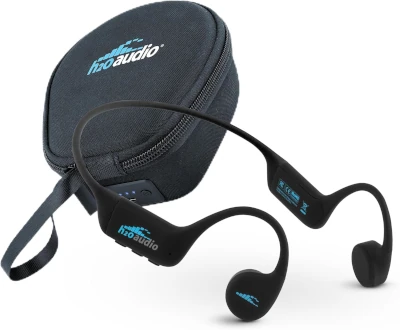
H2O Audio has a long history with underwater gear, and the Tri Multi-Sport continues that trend. These use bone-conduction design to stay stable, and their high waterproof rating ensures durability for pool or open-water swimming. They also work well for cross-training.
Pros
Cons
Swimbuds Sport Waterproof Earbuds
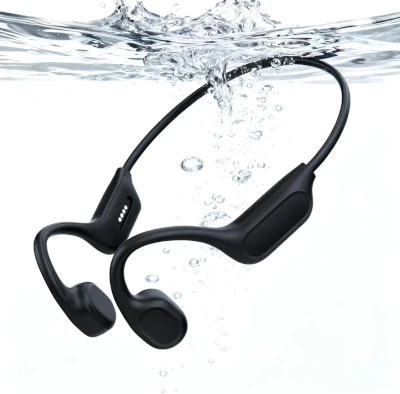
Designed specifically for lap swimming, Swimbuds Sport provide a snug, water-locking fit that keeps sound consistent underwater. Multiple earbud tips help you find a secure seal, which is crucial for maintaining audio performance while submerged.
Pros
Cons
TOZO T10
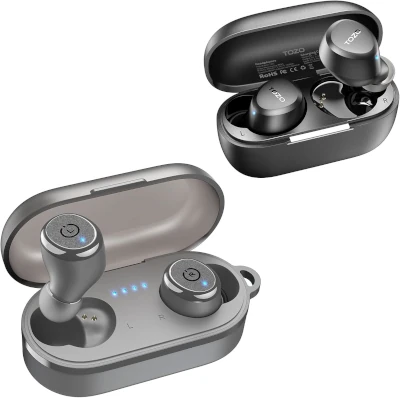
While not designed for deep-water training, the TOZO T10’s IPX8 rating makes them suitable for casual swimming or poolside use. They offer surprisingly full sound and strong battery life for their price, performing well on land as everyday earbuds too.
Pros
Cons
FAQs
Bluetooth signals struggle underwater, so most genuine swim earbuds use built-in storage or bone-conduction playback instead.
Look for at least IPX8 or specialized IP ratings (like IP69) that guarantee protection during submersion.
Often yes—they avoid seal issues and deliver more consistent audio underwater.
Not reliably. Many “waterproof” models are only splash-safe and won’t hold up during continuous submersion.
Many do, especially bone-conduction options, which can double for running, cycling, or gym training.